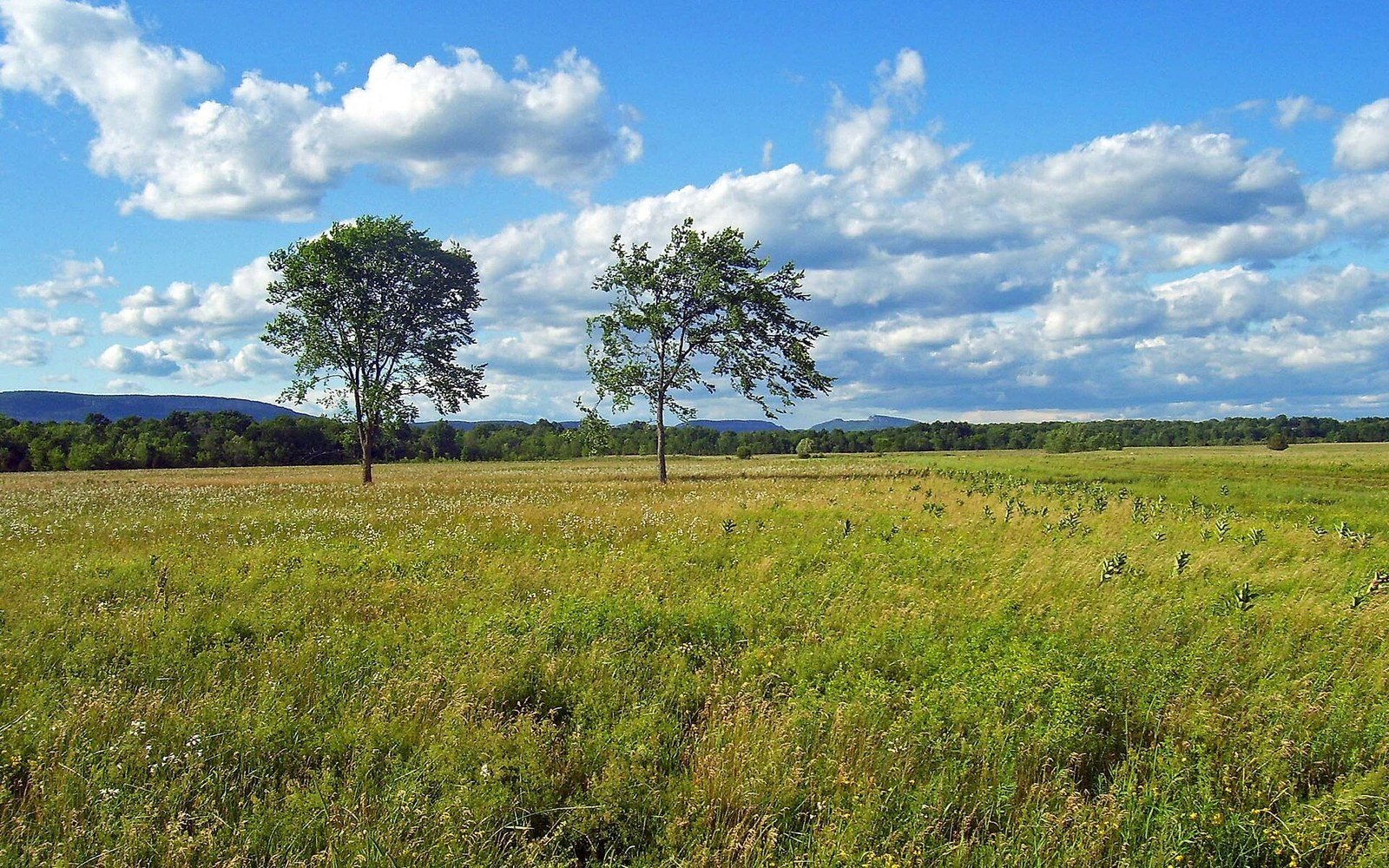
One growth form, two different regimes
Both biomes are dominated by grasses and kept largely treeless — but the mechanism differs. Savannah sits in a rainfall band where trees could grow and are suppressed mainly by fire and large herbivores. Temperate grassland — the North American prairie, the Eurasian steppe, the South American pampas, the South African highveld — occupies a rainfall regime where continental interiors produce long dry seasons and cold winters cold enough to kill woody seedlings outright. Trees stay absent not because fire removes them each decade but because the climate eliminates them before they establish.
The distinguishing number is the aridity index: the ratio of mean annual precipitation to potential evapotranspiration. Temperate grassland typically sits between 0.2 and 0.5 on that index — semi-arid, but not desert. Savannah, by contrast, occupies a wetter band with a strongly seasonal but sufficient wet season. The overlap in raw rainfall totals is real; what separates them is temperature seasonality and the length of the growth window, which together determine whether a woody plant can compound its height gains year on year.
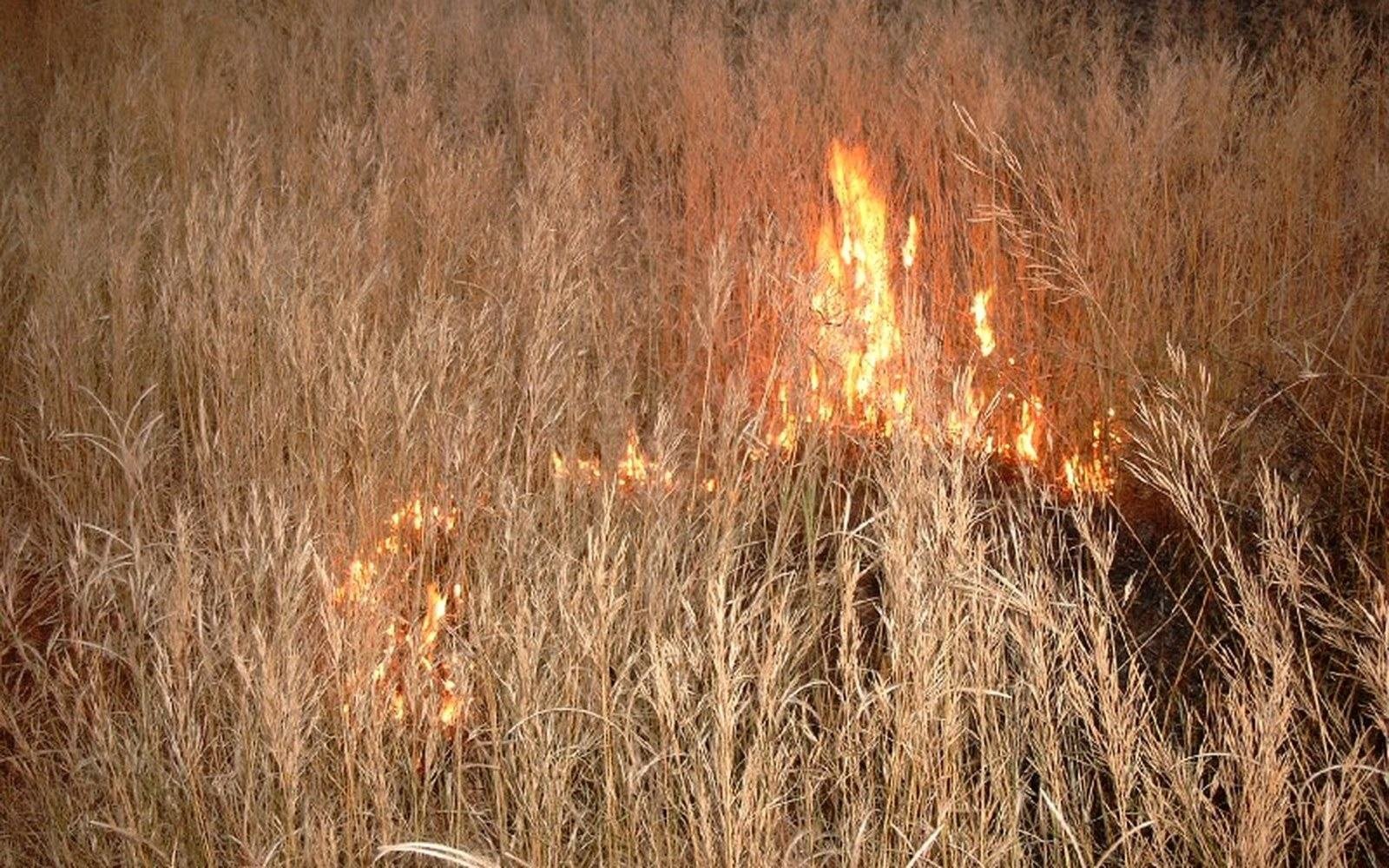
Fire return interval is also measurably different. In the tallgrass prairie of central North America, pre-settlement fire returned roughly every three to five years, often ignited by lightning or by Indigenous burning practices. In African savannahs fire usually returns more often, but the fire intensity is lower because the wet season is longer and fuels cure more slowly. The Konza Prairie Biological Station in Kansas has run controlled burn experiments since 1981 that quantify exactly how fire frequency shifts grass-species composition and woody encroachment rate — the data are among the longest continuous grassland fire records in the world.
What makes temperate grassland unusual in the global biome inventory is how little of it survives in anything close to its original structure. The same flat, deep, stone-free soils that made it grassland — thick mollisols built from millennia of root turnover — made it ideal arable land. Less than 4 percent of North American tallgrass prairie remains unploughed, according to US Forest Service estimates. The steppe of Ukraine and southern Russia has been under cultivation for well over a century. The grassland biome is, statistically, the most converted on Earth — a fact registered by the soil map, not the species list.
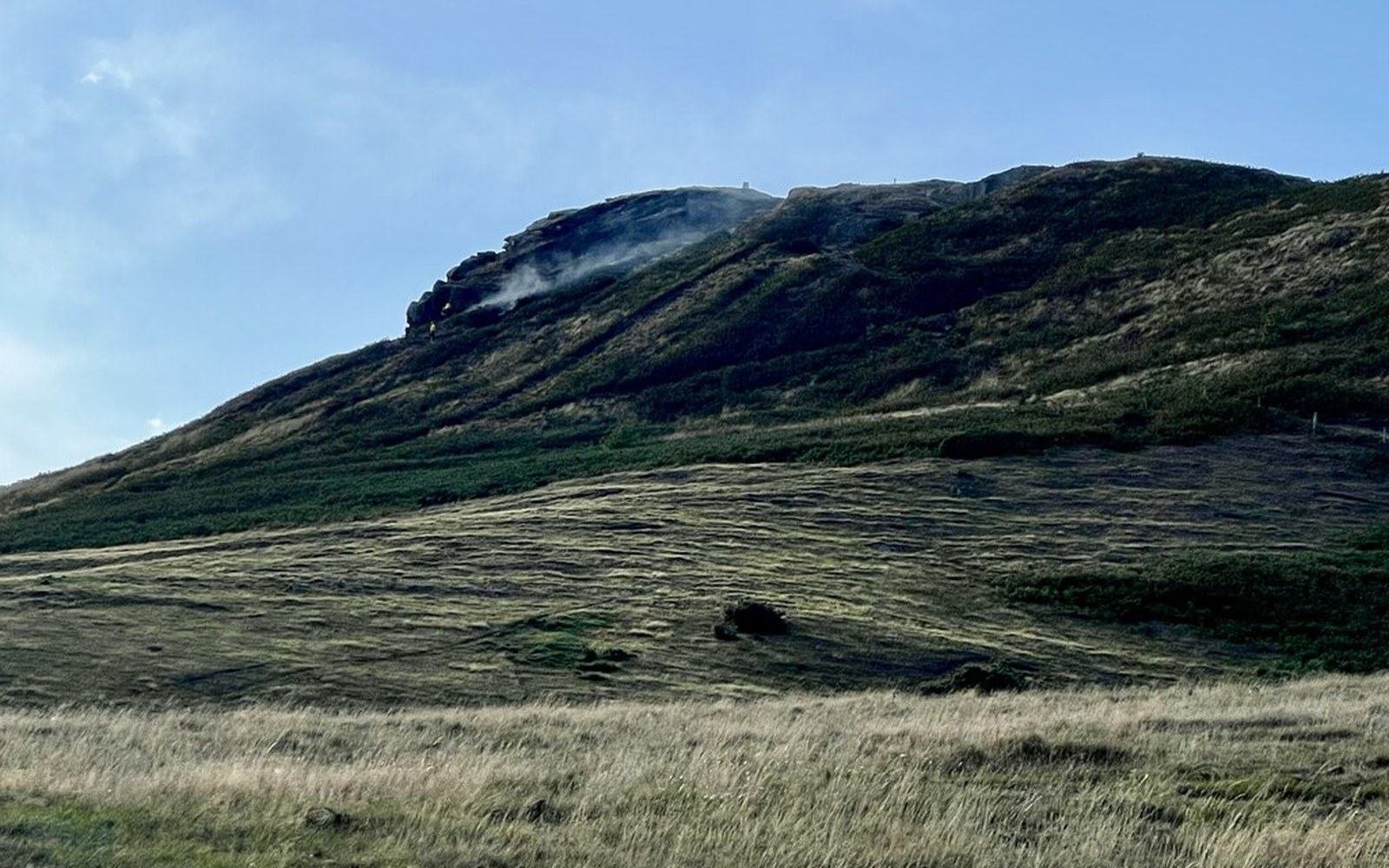
Two seasons without fire is enough to change what a grassland’s seed bank can produce.
Photo: Grassland fire - geograph.org.uk - 8144850 · Wikimedia Commons